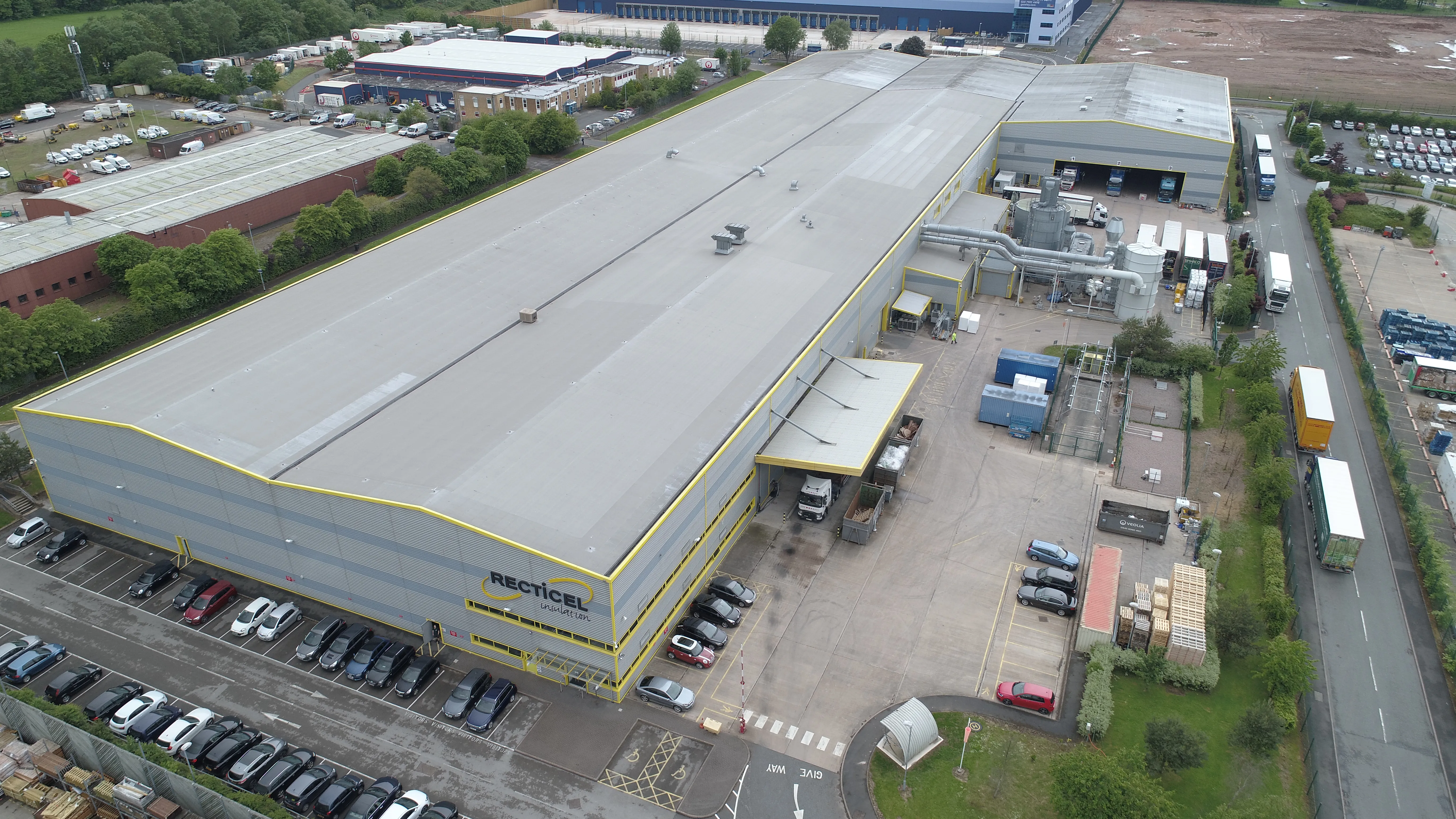
We go behind the scenes with our Operations team to meet the people, processes and expertise that keep our manufacturing site moving.
Keeping a manufacturing operation moving takes much more than machinery and materials. It depends on people working together, communicating clearly and responding confidently when the unexpected happens.
Across Production, Process, SHE and Engineering, each team has its own responsibilities. But they are united by the same priorities: keeping people safe, maintaining quality, meeting customer requirements and continually looking for better ways to work.
It all starts with teamwork
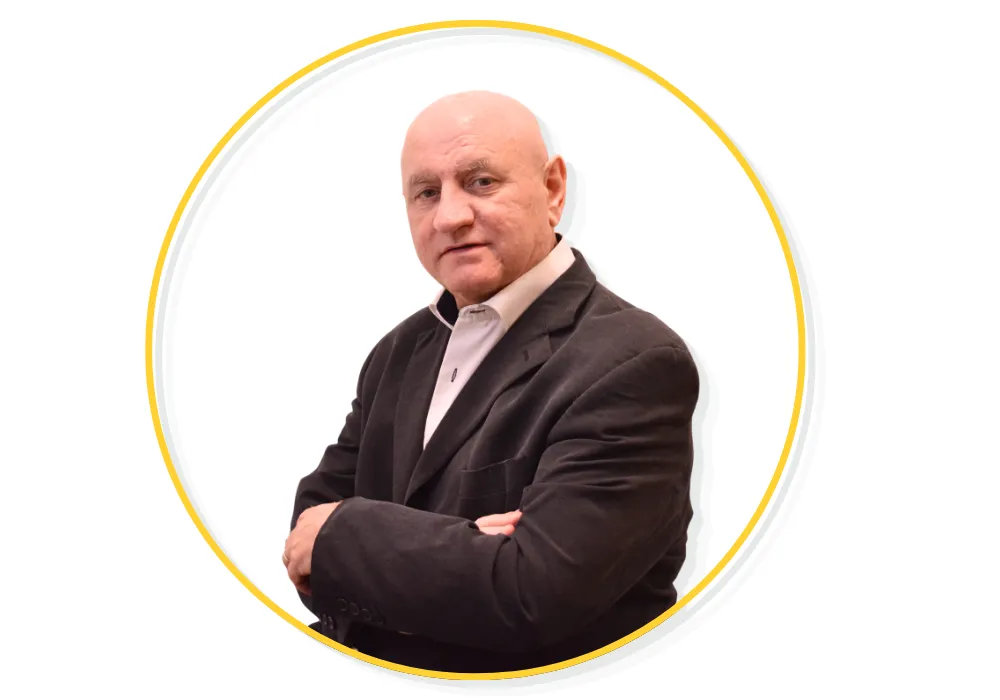
For Simon Harrison, our UK Operations Manager - the answer to the question “What does it take to keep production moving?” is simple: teamwork.
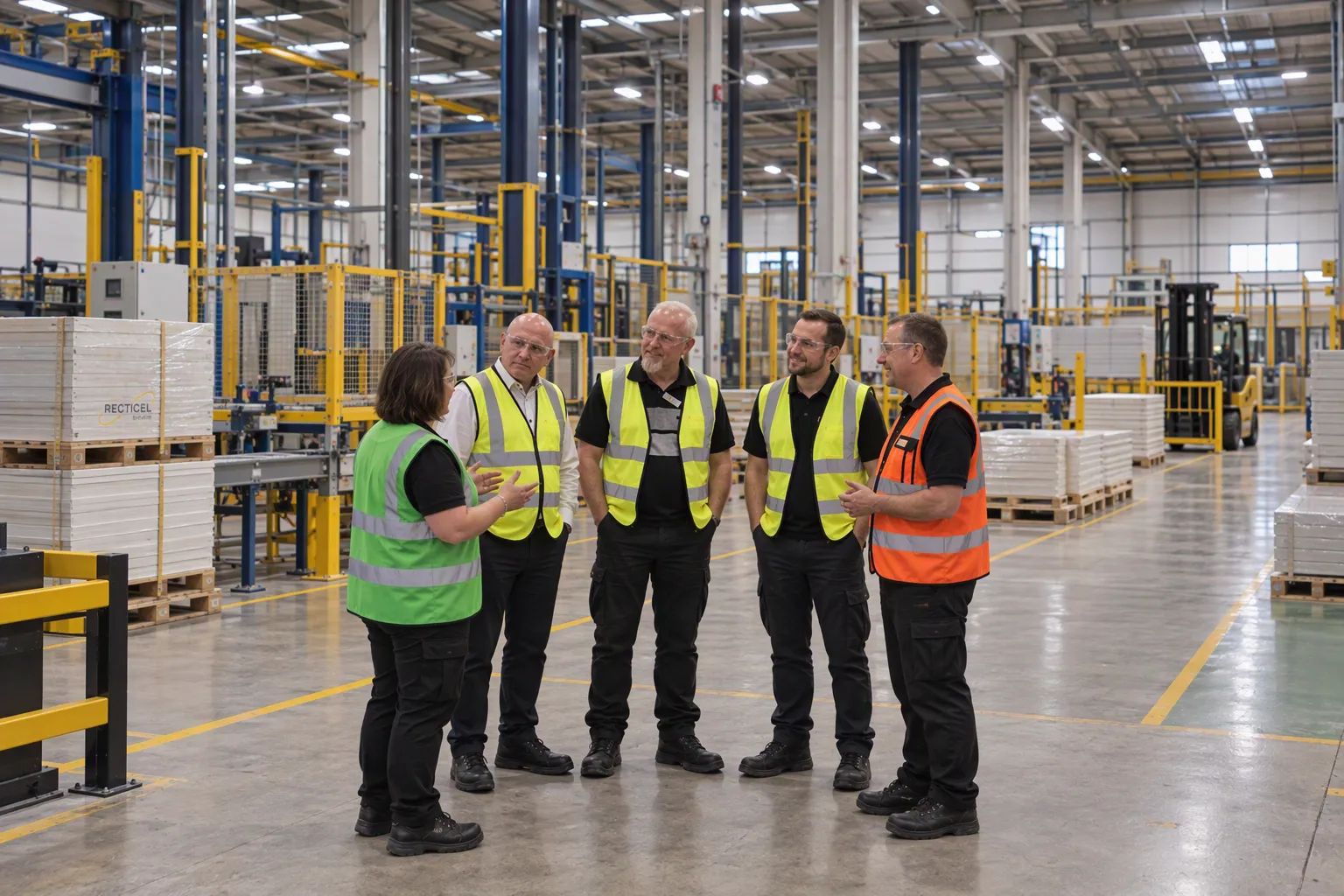
Everyone needs to understand what is happening in their area, what is expected of them and how their role contributes to the wider operation. Good organisation, a robust supply chain, reliable assets and effective process control all matter, but ultimately it is people who bring everything together.
Communication is a major part of making that teamwork possible. Shift handovers, daily reviews, operational meetings and project updates help teams remain aligned, understand priorities and respond collectively when an unexpected challenge arises.
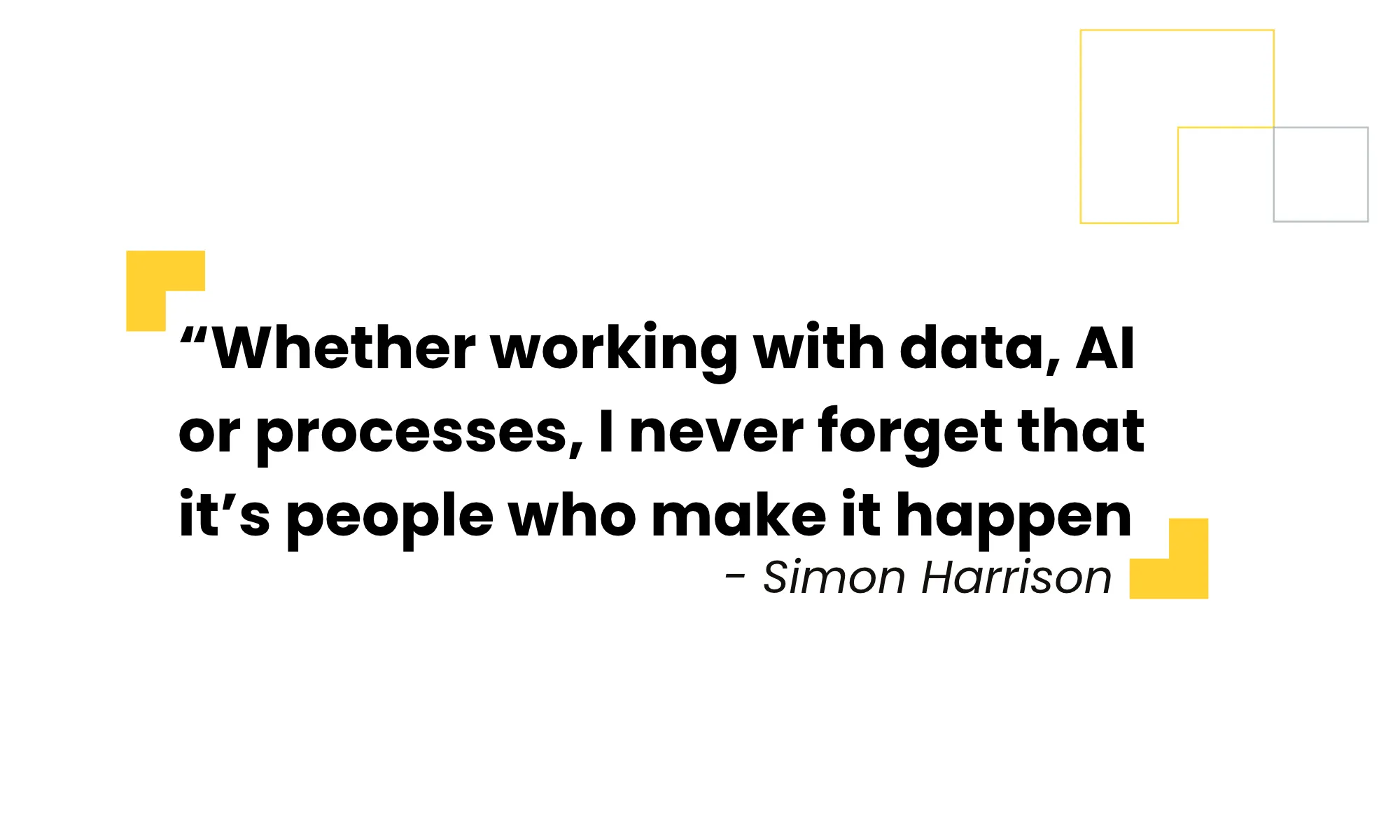
And while manufacturing demands consistency, that certainly doesn’t mean every day looks the same. As Simon Harrison puts it, expertise and dedication matter, but pragmatism, creativity and humour are also a big part of working in Operations.
Continuous improvement in action
From a process perspective, keeping production moving requires machinery, people, materials and components to work in harmony.
David Spruce, our process manager, and the process team continually look for opportunities to reduce variation, improve consistency and find better ways of working. Ideas can come from lean manufacturing principles, other industries and manufacturing sites, or discussions between multidisciplinary teams.
"Machinery, people, materials and chemicals working in harmony" - David Spruce
Continuous improvement also goes far beyond the production line. The Process team analyses information, collaborates with other departments, works with suppliers and maintains links with colleagues across other sites.
For David Spruce, part of the enjoyment comes from “pushing the boundaries” and exploring innovative techniques that could help the team work more effectively and efficiently.
Putting people and safety first
A strong Safety, Health and Environment culture depends on cooperation, awareness and good communication.
Jen Dunne, our SHE Manager highlights the importance of Operational Managers and Team Leaders working together, ensuring everyone understands what is needed and how it can be achieved safely.
Clear reporting routes give employees an important role too. Behavioural safety reporting can help identify potential issues early, allowing teams to act before they develop into an incident.
"Health, Safety and Environment are the first thing we talk about in every meeting" - Jen Dunne
That approach helps make SHE part of everyday decision-making, rather than something considered separately. From daily conversations through to weekly, quarterly and annual reviews, keeping health, safety and the environment at the forefront helps support a strong culture across the site.

Where the plans become reality
On the production floor, organisation and adaptability go hand in hand.
Dan Mason, our Production manager explains that clear communication and consistent handovers are essential so information moves effectively between shifts and everyone understands the priorities ahead.
Planning creates a strong starting point, helping the team prepare for the work ahead. But manufacturing rarely follows a completely predictable path, so teams also need to be able to adapt without compromising safety, quality or established procedures.
"What makes me particularly proud is when we’re extremely busy and all the shifts pull together to get the job done" - Dan Mason
Production cannot operate in isolation either. Close collaboration with the wider Operations team helps everyone understand problems, coordinate priorities and agree actions that deliver lasting improvements rather than simply responding to the same challenge again.
For Dan Mason, those busy periods where everyone works towards the same goal while maintaining safety and quality are some of the moments that best demonstrate what teamwork really means.
Solving today’s challenges while preparing for tomorrow
Engineering plays an important part in keeping current operations moving while helping the site prepare for what comes next.
For Ian Dodd, our Engineering & Projects Manager, success depends on the different parts of the team working together, supported by experience and, importantly, trust.
Information from machinery can help identify areas requiring attention, with root-cause analysis then used to understand issues and determine where improvements can be made. Successful projects are guided by three straightforward principles: on time, in full and on budget.
But perhaps the most interesting aspect of Engineering is just how much there is still to learn.
"Even after 40+ years you simply never stop learning" - Ian Dodd
Technology continues to develop, new concepts emerge and collaboration with colleagues and suppliers can open up new possibilities. For Ian Dodd, helping team members turn their concepts into reality remains an important focus.
One Operations team
Each Operations discipline brings different expertise, but none works alone.
Together, they create an operation built around safety, teamwork, adaptability, improvement and trust. There will always be unexpected challenges, changing priorities and new problems to solve.
What keeps production moving is how people respond: communicating openly, supporting one another and remaining focused on doing the right thing for colleagues, customers and the wider business.
Production
Turns plans into action.
Process
Focuses on consistency and continuous improvement.
SHE
Keeps people and the working environment at the centre of decision-making.
Engineering & Projects
Solves problems and prepares the operation for what comes next.
And while Operations is serious business, Simon Harrison perhaps sums up the culture best:
“We take it seriously and act professionally, but we have fun and don’t take ourselves too seriously as we go!”